
2024-2025
City of Aachen
Lea Schmuck (storytelling), Franziska Lastrico (storytelling) me (designer)
For this project, I took part in a three-day intensive program to make on-site communication for drivers in Aachen clearer. The city introduced a new block system to improve traffic flow, but a lot of people found it confusing. We looked at what users actually needed, tested different ideas, and came up with better ways to guide drivers through the new system.
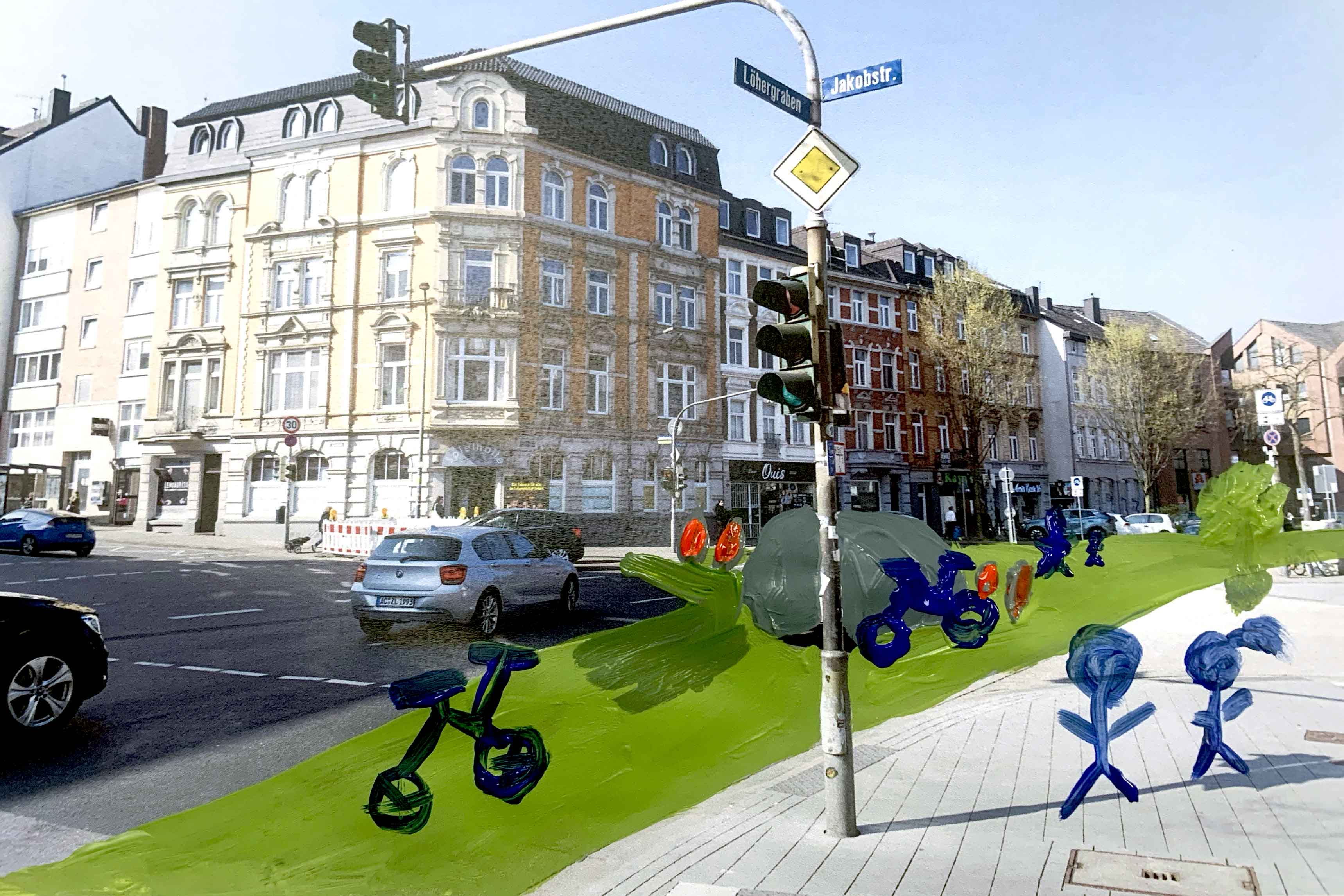
The City of Aachen introduced a new block system to improve traffic flow and enhance the quality of life in the city center. However, the current way of communicating these changes wasn’t clear to all motorists. Some found it confusing, while others felt it was an attempt to push cars out of the city, negatively impacting shop owners.
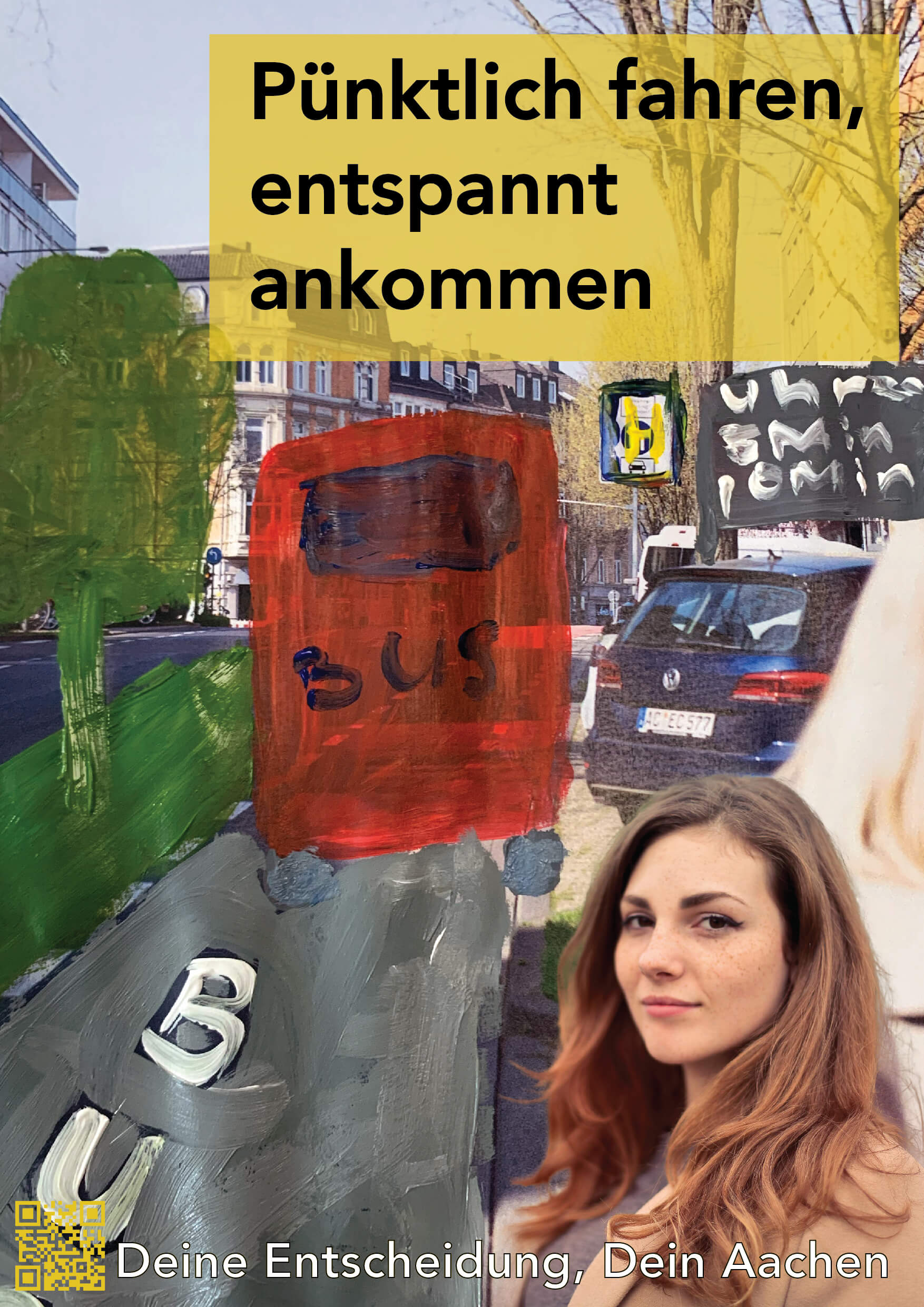
People in Aachen weren’t aware of the changes, and those who were didn’t always want to adapt. Many felt excluded from the decision-making process or didn’t see the benefits for themselves. The key question we tackled: Why does something need to change in your communication. We created a poster series with emotional storytelling to make the impact of the new system more relatable. Instead of just presenting facts, we highlighted the perspectives of different people in Aachen, showing their unique needs and how the changes could improve their daily lives.
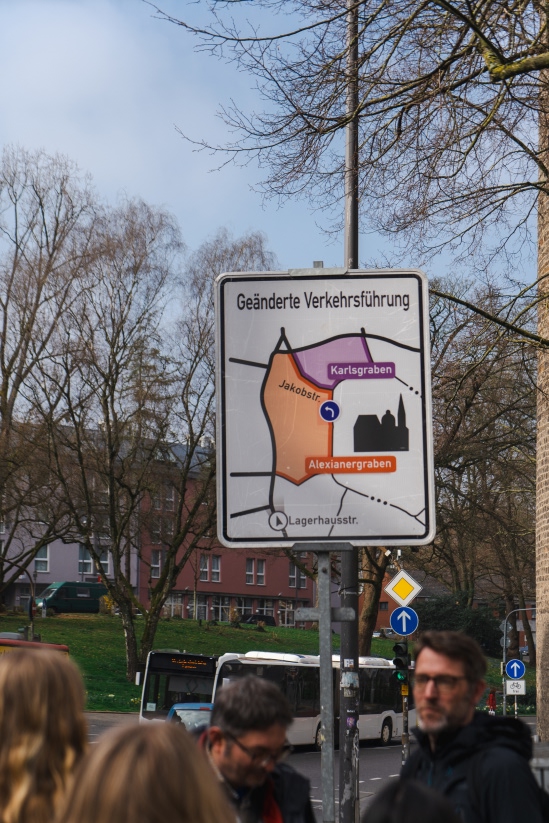
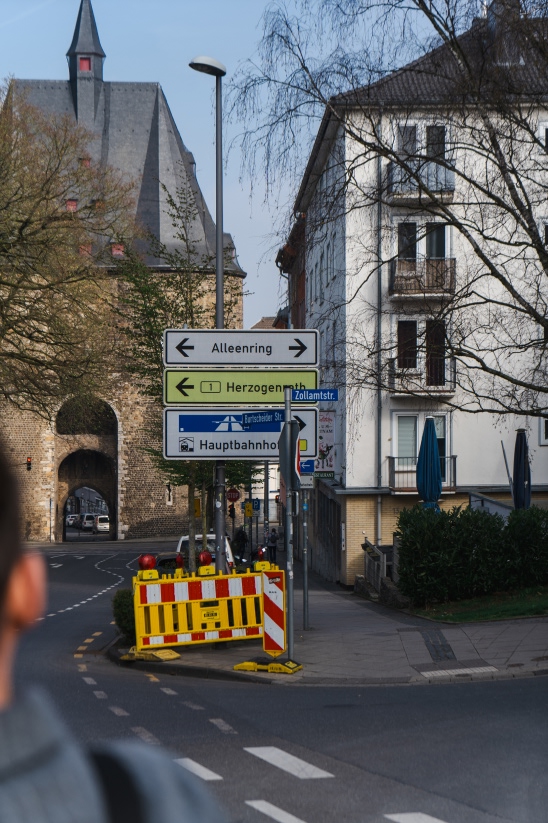
Day 1: We took a tour of the city of Aachen and were informed about the problems the city was facing. They have since changed the system, so now, as a driver, you will always be guided to the outer ring. There are signs that communicate this: you need to know which area you're going to and then stay on the outer ring until you reach that area. The idea is not to drive through the city center.
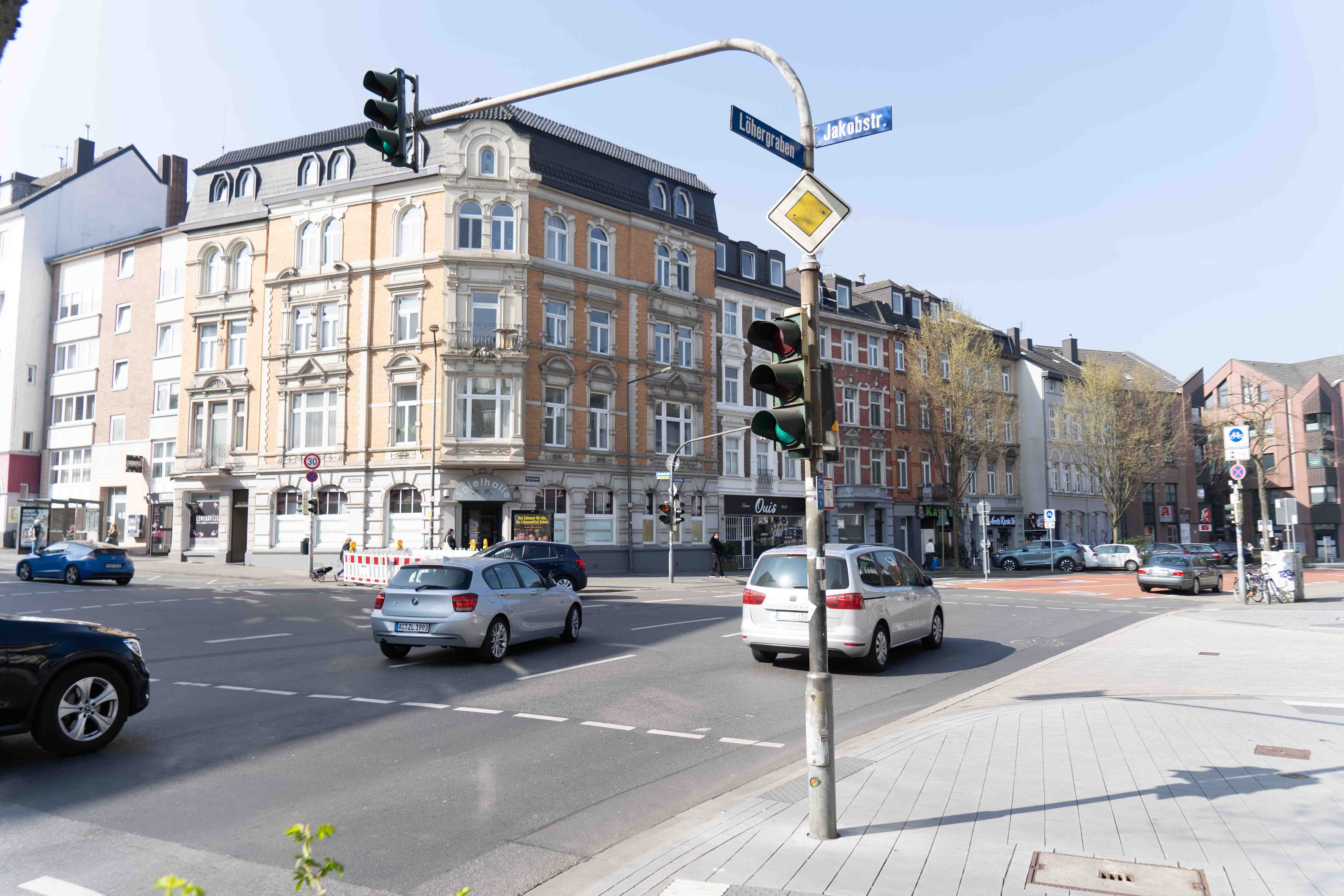
There are also some pain points. For example, at this intersection, they want you to turn left, but people still go straight, either because of old habits or because they don't understand the new system. We were also told that the police don't monitor this area because the situation is too confusing.
We spoke to people on the streets, starting with tourists, as they were our target group. They told us that they had no trouble driving around Aachen; they just followed Google Maps, and it was easy. Of course, that's nice, but maybe they don’t realize they’re driving down the wrong street. So, we stayed at the intersection for a while and observed that most of the people going the wrong way were locals from Aachen. We also spoke to some of them, and they said that they’re aware of the new rules but don’t follow them because there’s no enforcement, and they’ve just gotten used to old habits.
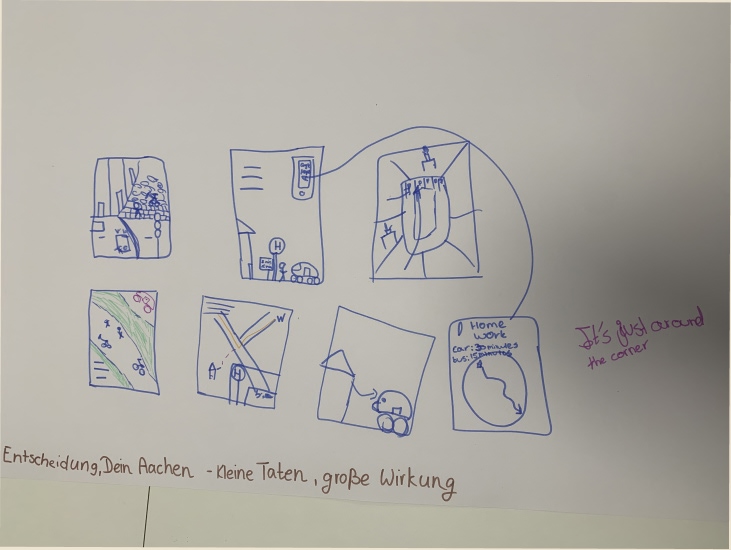
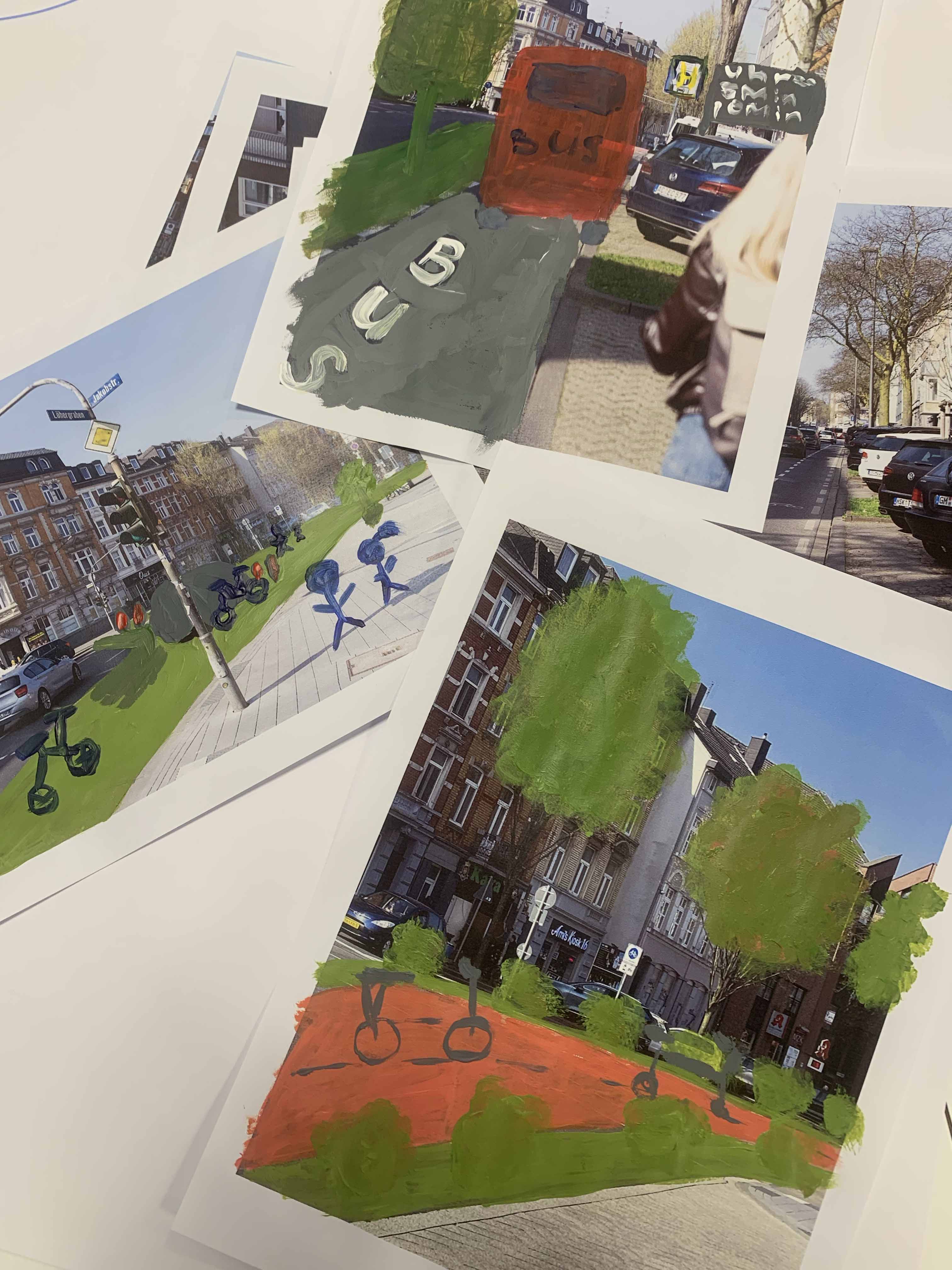
Day 2: On this day, we worked on our ideas and came up with a solution. We concluded that the problem is that people don’t understand why things are changing or what the benefits are. That’s why we created posters with emotional storytelling to explain why these changes are important.
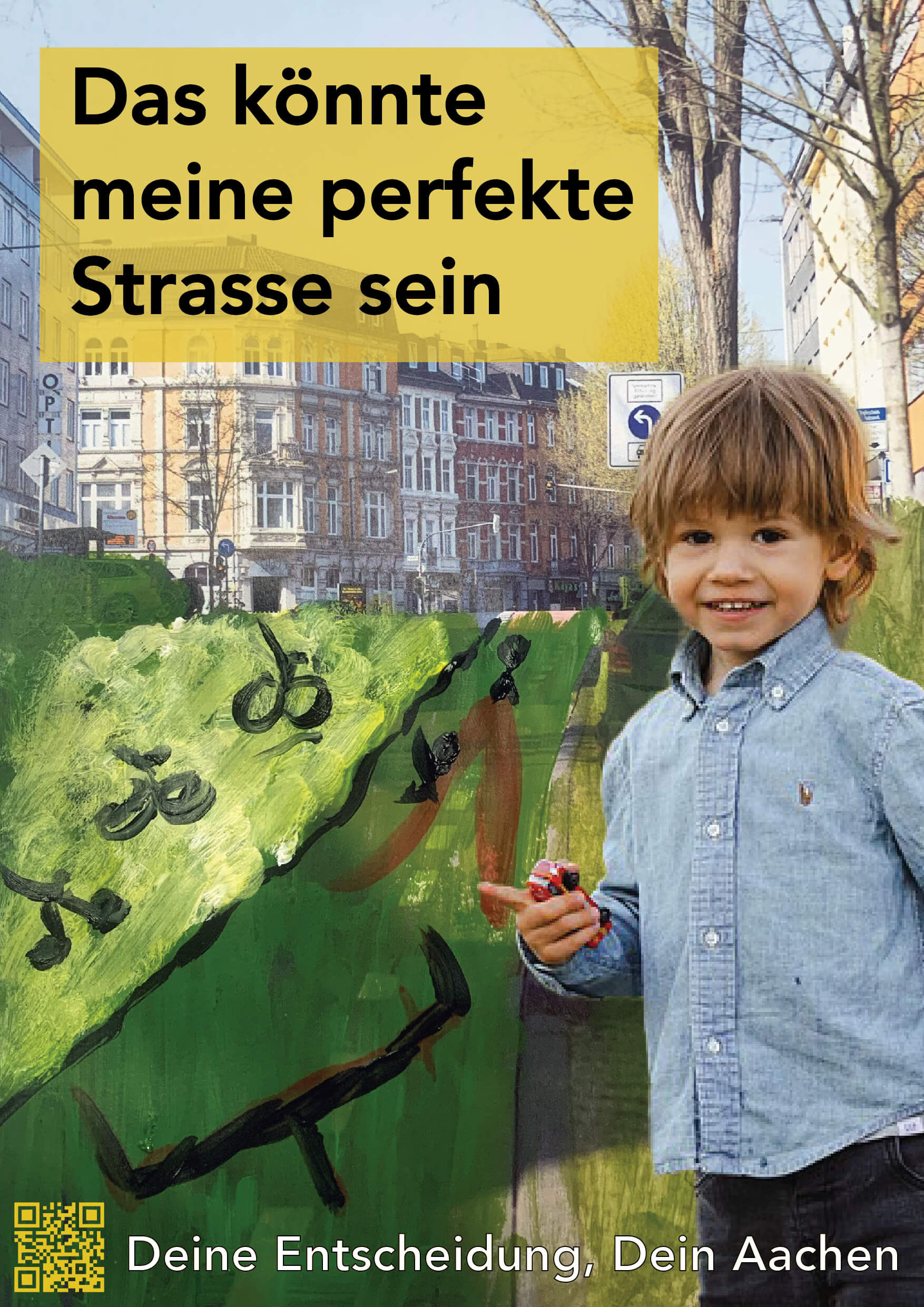
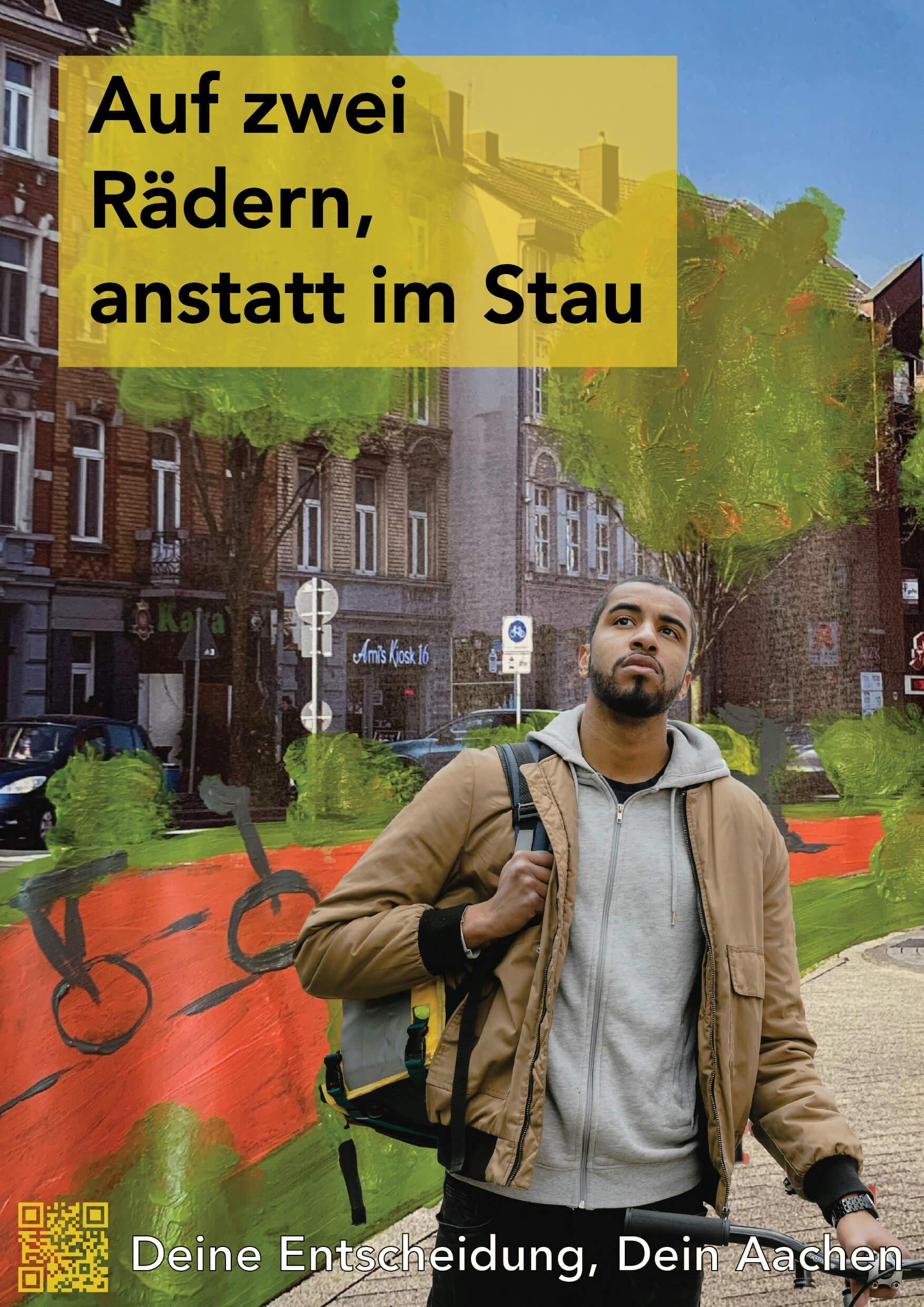
Day 3: We presented our ideas to the people from the city of Aachen. They were happy with our proposals and are now looking into what they can do within their regulations to improve communication in the city.